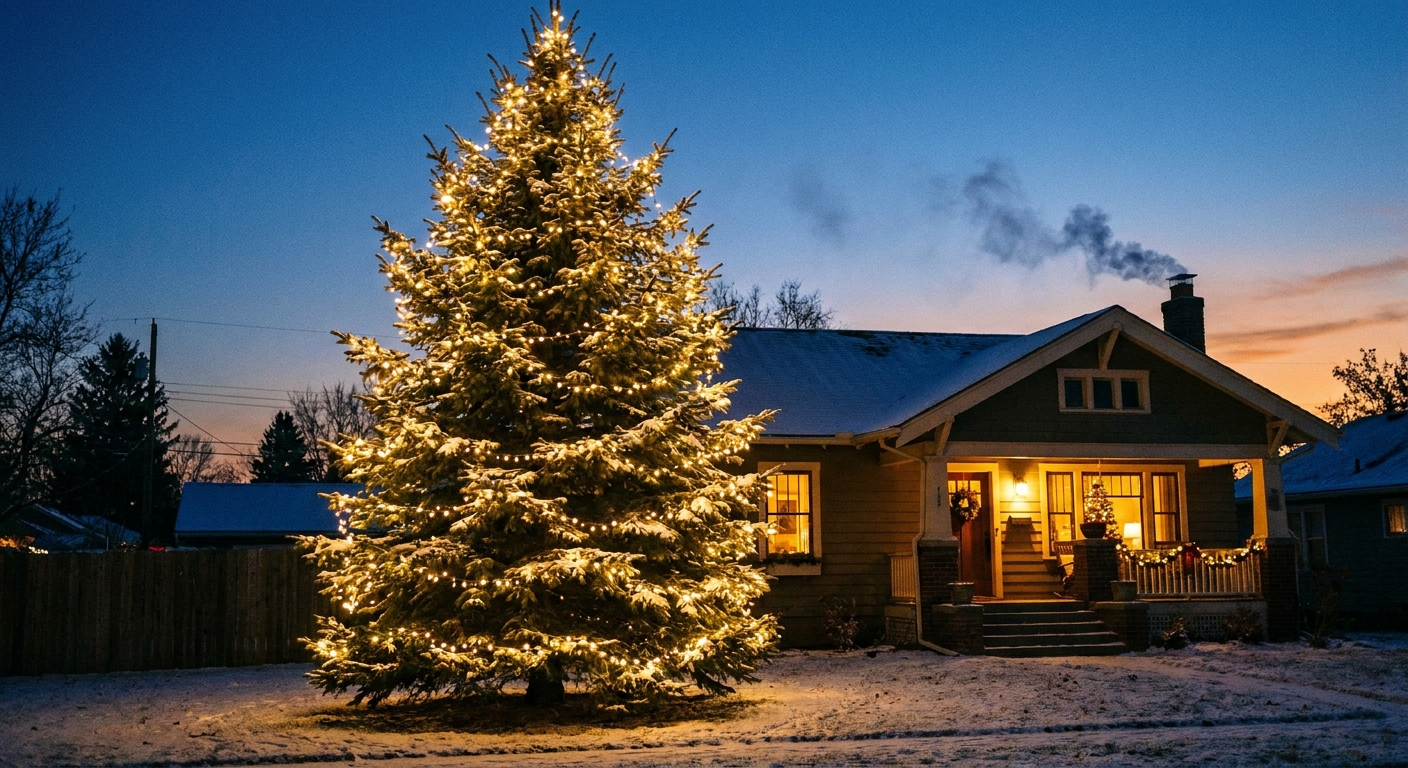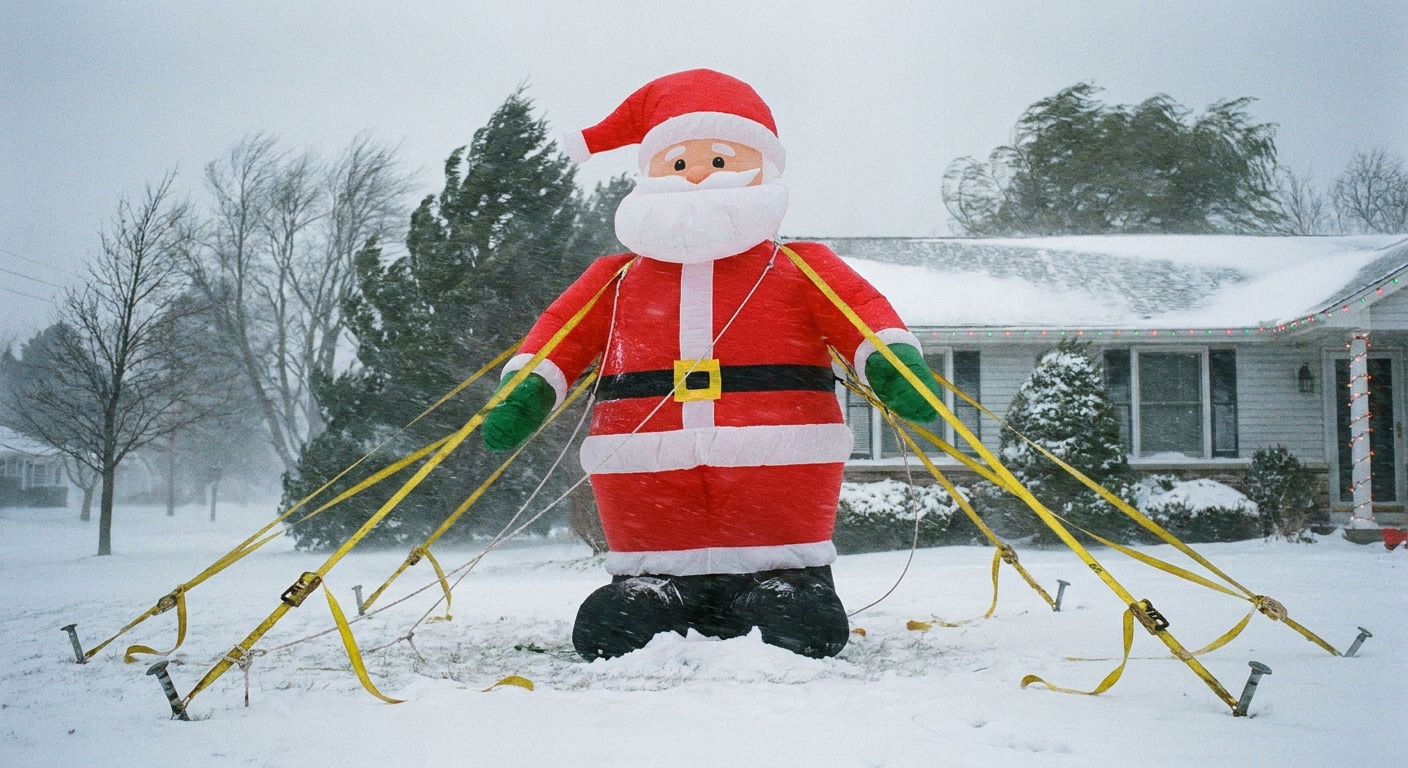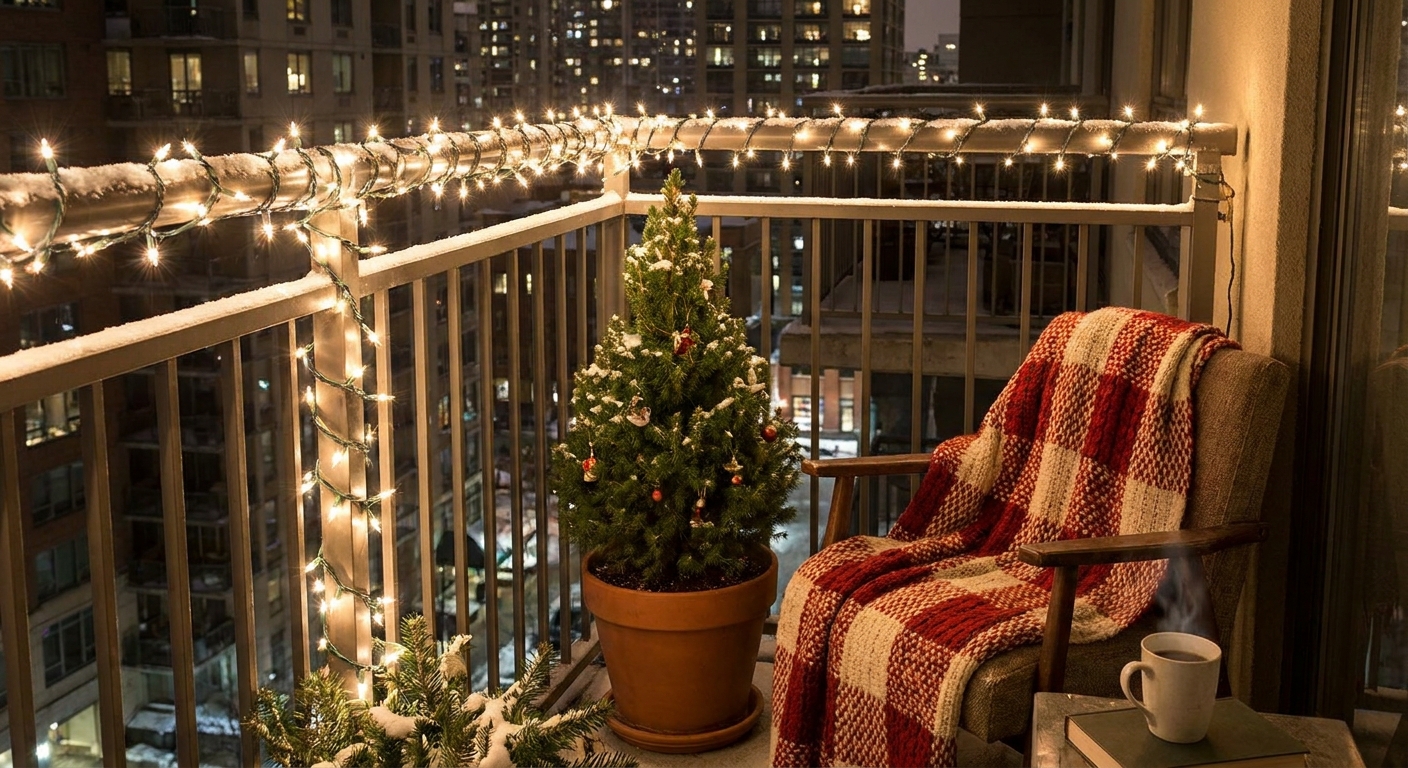

Let's gather some sparkle and make your home merry and bright! Outdoor lights are pure magic, but soggy plugs and tripping hazards can dim the glow fast. This guide shares simple, safety-first ways to weather-protect connections and hide extension cords so everything looks polished and stays protected through winter weather.
Start with a safe power plan
Before hiding anything, make sure the power plan is solid. A tidy cord is not safe unless it is also the right cord.
- Use lights and cords listed for outdoor use. Check the tag or packaging for language like “outdoor use” and, for cords, “suitable for wet locations” or similar. Do not assume every “outdoor” product is meant to sit in puddles all season.
- Look for reputable safety listing marks. Stick with products that are properly listed (often UL or ETL) and avoid suspiciously cheap, unbranded sets where the labeling is missing or looks off.
- Keep plugs off the ground. Snowmelt and puddles love to collect at the lowest point. Elevating connections is one of the best protective steps.
- Use a GFCI outlet. Outdoor outlets are often GFCI-protected already. If the outlet trips repeatedly, treat it as a warning sign and reduce load or fix the problem rather than bypassing it.
- Plan your load before you plug in. Add up the total wattage (or amps) of your light strings and any other decor on that circuit. Older incandescent sets pull much more power than LED. Follow the manufacturer limit for how many strands can connect end-to-end.
- Match the cord gauge to the job. Longer runs and higher wattage need thicker cords. As a simple rule of thumb, 16 gauge can work for small, short LED runs, 14 gauge is a safer “middle ground” for many porch setups, and 12 gauge is a great choice for longer distances or heavier loads. Always check the cord’s amperage rating and keep your total load under it.
- Be cautious with cord-to-cord connections. Avoid daisy-chaining when you can. One correctly rated, properly gauged longer cord is often cleaner and can be safer than linking several short cords, but only if it is heavy-duty enough for the load.
- Keep indoor power strips indoors. Use only outdoor-rated splitters, power stakes, and extension cords outside. Indoor strips are not built for wet conditions.
If wind is part of your winter story, pair cord safety with sturdy decorating techniques from Secure Outdoor Christmas Decor for Wind and Winter Weather.
How to weather-protect plug connections
The goal is to keep water from sitting in or flowing into the connection point. Choose the method that matches where the plug lives.
Option 1: Use a connection box
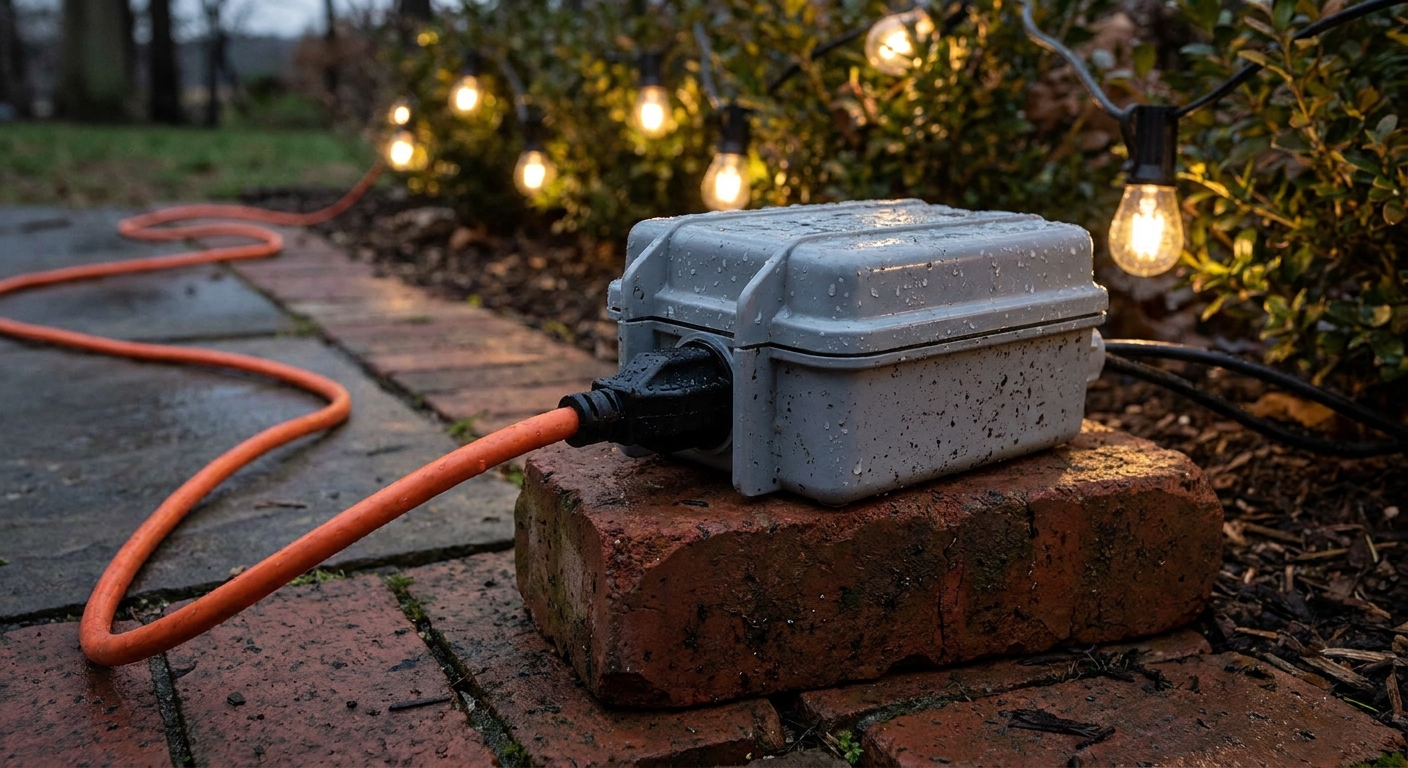
This is the cleanest solution for plug-to-plug joins on the lawn, near bushes, or at the base of porch steps.
- Plug the lights into the extension cord.
- Place the connection fully inside the weatherproof connection box.
- Close and latch the box so the seam faces down, if possible.
- Set the box on a brick, paver, or small riser so it sits above wet ground.
Option 2: Make a drip loop
A drip loop helps water fall away before it reaches the plug.
- Let the cord dip downward a few inches before it rises to the outlet or connection.
- Secure that low dip with a clip or tie so it stays put in wind.
Option 3: Use the right outlet cover
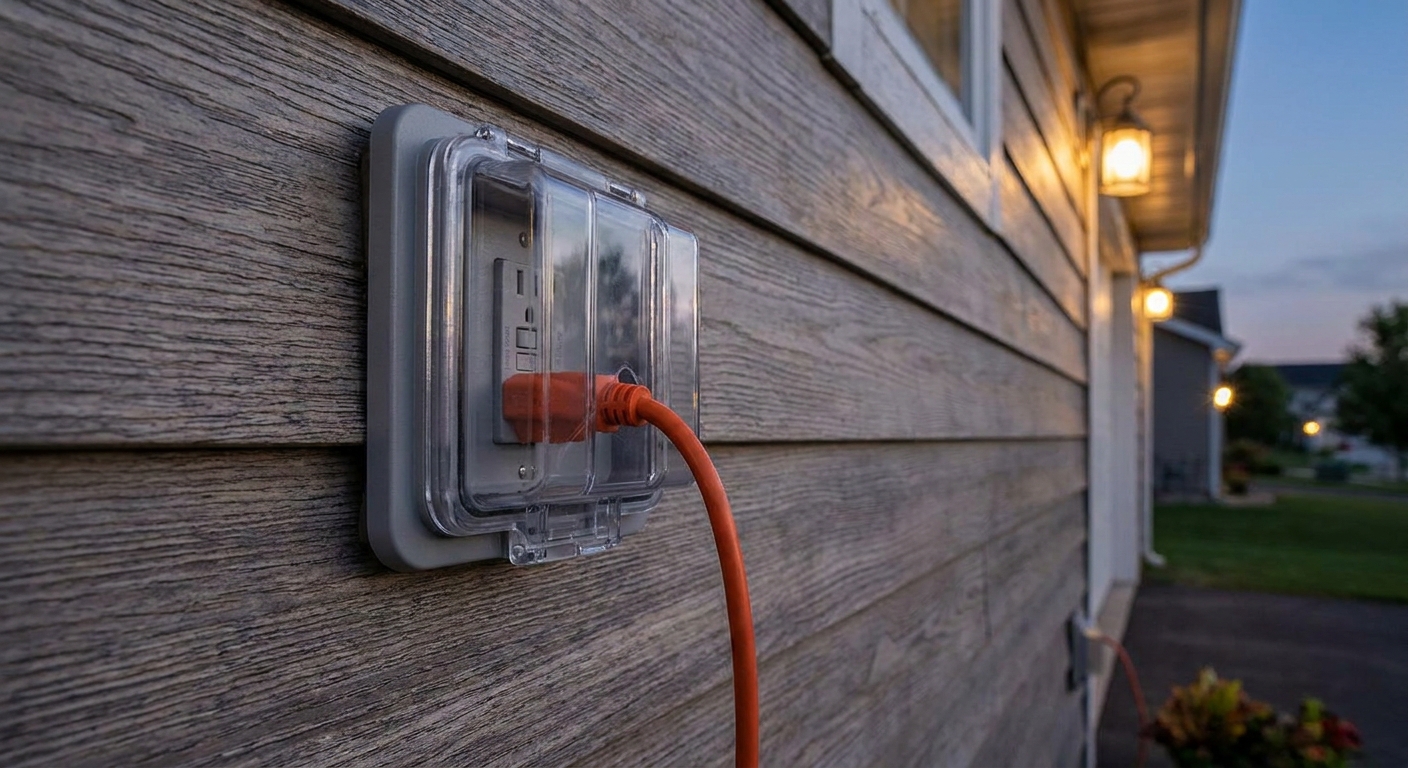
If you are plugging into an exterior receptacle, check that the cover is an in-use style that can close over a plugged-in cord.
- Open the cover and confirm the plug fits while the cover still closes.
- If it cannot close, use a different outlet or have the cover upgraded. A partially open cover invites water.
What not to do
- Do not wrap plug connections in household plastic bags. They can trap moisture inside and turn into a slushy mess when temperatures swing.
- Do not bury connections under mulch or leaves. That holds dampness against the plug.
- Do not run cords through standing water or across shoveled snow paths. Those areas change constantly and increase damage risk.
How to hide cords safely
Outdoor cord hiding is all about two things: keeping cords out of walkways and keeping them easy to inspect. Hidden is great. Buried and forgotten is not.
Follow the lines your house already has
The best camouflage is to route cords where the architecture creates natural shadows.
- Along trim and siding edges: Run cords where they visually disappear.
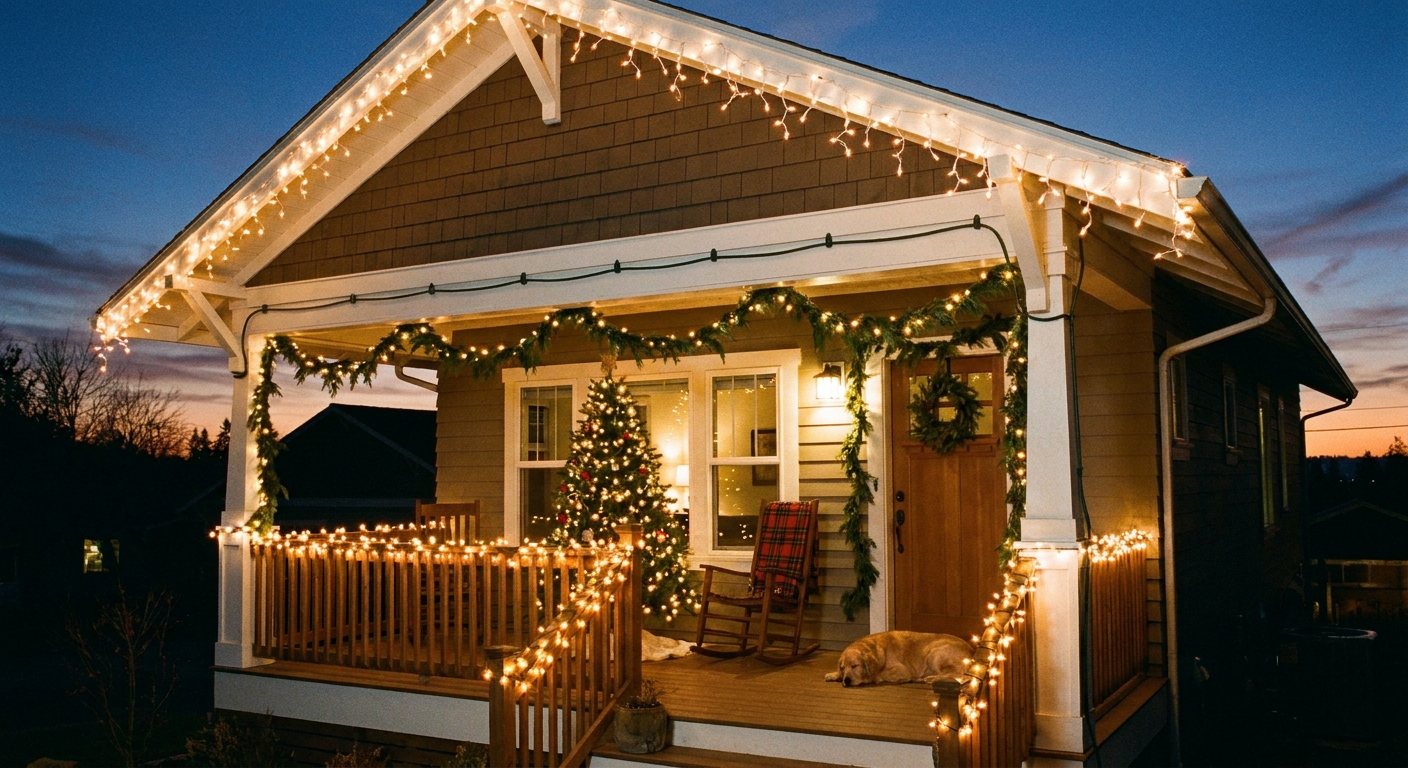
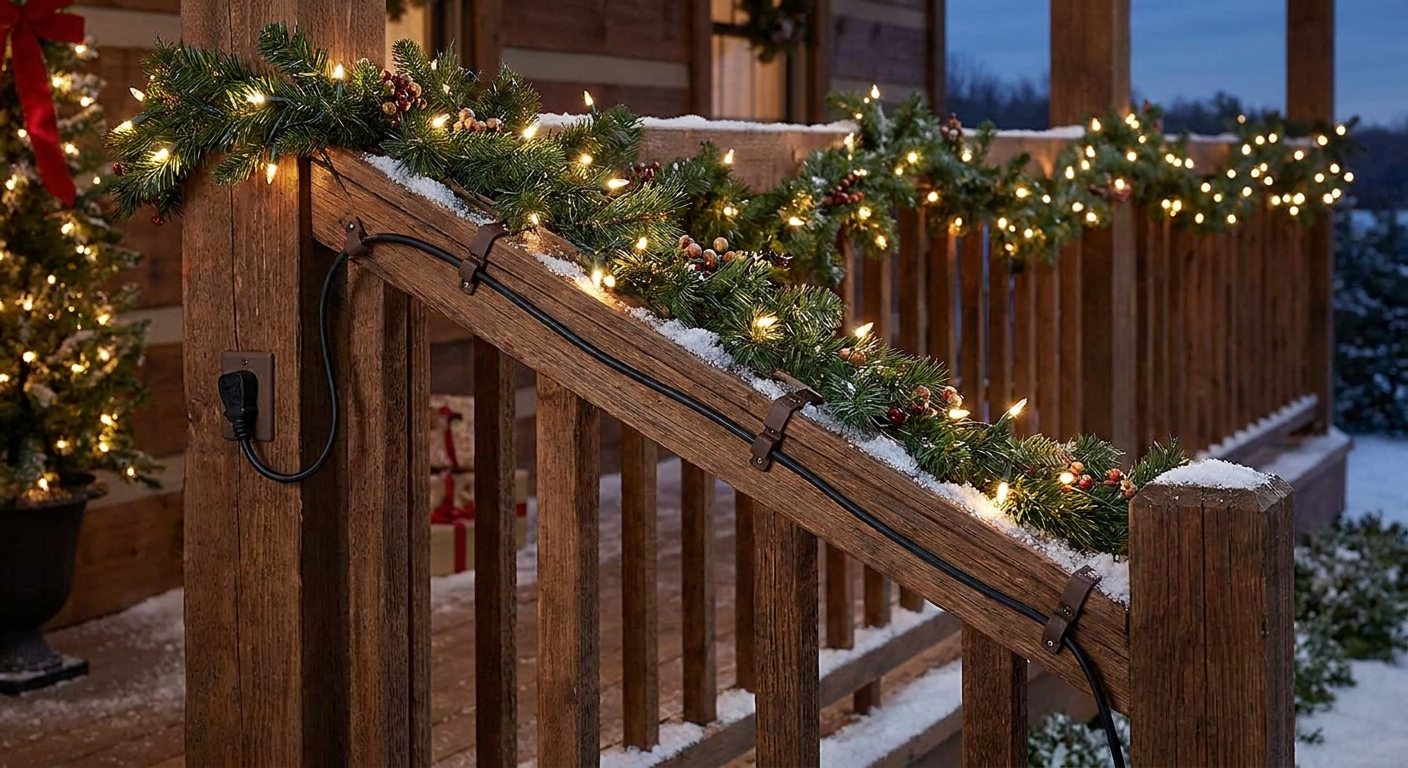
- Under porch railings: Outdoor clips or UV-resistant ties can keep cords snug and nearly invisible.
- Behind planters: Route cords behind pots and porch decor groupings so the decor disguises the run.
For more porch styling ideas that naturally hide the functional bits, visit 12 High-Impact Low-Cost Front Porch Christmas Decorating Ideas.
Use the right fasteners
- Outdoor-rated cable clips or light clips: Great for guiding cords neatly along edges.
- UV-resistant zip ties: Use sparingly and trim tails flush for a tidy look. Do not cinch so tight that it compresses the cord jacket.
- Hook-and-loop straps: Nice for bundling extra length without kinks.
Avoid staples, nails, or anything that can pierce insulation. A damaged jacket is never worth the risk.
Hide extra length the tidy way
Most outdoor cord mess comes from leftover slack. The trick is to coil, secure, and lift.
- Coil the excess in wide loops, about the size of a dinner plate or larger.
- Secure with a strap or tie.
- Place the coil behind a planter, inside a covered bin, or on a hook under the porch roofline where it stays drier and easier to check.
Easy routing by location
Roofline and gutters
- Run cords up a corner or down a downspout where the line looks intentional.
- Keep the connection point under an eave if possible.
- Use clips meant for gutters or shingles rather than improvised fasteners.
Porch columns
- Spiral lights upward, then run the cord straight down the back of the column.
- Secure the vertical run so the cord does not swing in the wind.
Bushes and shrubs
- Keep plug connections outside the foliage so they can dry and be checked.
- Route the cord behind the shrub line, not across the front.
- If cords must cross mulch, avoid tight landscape staples that can press into the jacket. Instead, route along hardscape edges, tuck along bed edging, or use cord stakes and clips designed to hold cords without pinching.
Walkways and steps
- Choose a route that never crosses a footpath. If a crossing is unavoidable, use an outdoor-rated cord cover designed for foot traffic.
- Keep cords away from areas that get shoveled or salted heavily.
Doorways
- Do not run extension cords through a door or window that closes on them. Pinching can damage insulation and create a shock or fire hazard.
- Instead, power from a proper exterior outlet or re-route to a safer circuit location.
If garland is part of the plan, a clean cord route pairs beautifully with a polished entry. This guide helps with attachment methods that keep trim happy: How to Hang Front Door Garland Without Damaging Trim.
Winter-proofing tips
- Put connections under cover: Under eaves, porch ceilings, or awnings whenever possible.
- Angle plug openings downward: Let gravity help water leave, not enter.
- Raise splitters and power stakes: If you use outdoor-rated splitters, place or mount them where drifting snow will not bury them.
- Check after the first storm: A quick look can catch sagging cords, shifted boxes, or new puddle zones before they become problems.
Quick safety checklist
- Lights and extension cords listed for outdoor use (and cords suitable for wet locations)
- Safety listing marks present and labels readable
- No cracked insulation, exposed wires, or loose plugs
- GFCI protection in place and test button works
- Total load planned: do not overload an outlet, cord, or circuit
- Connections elevated and protected from direct rain or snowmelt
- Cords routed away from walkways, steps, and doorways
- Extra length coiled neatly, not tangled under decor
When everything is snug, dry, and tucked away, the glow feels even cozier. That is the kind of outdoor magic worth chasing all season long.
FAQ
Can outdoor extension cords get wet?
Many outdoor extension cords are built for damp weather, but you still want cords labeled for wet locations when they will be exposed. Even then, plug connections are the weak point. Keep connections covered and elevated, and use a weatherproof connection box for plug-to-plug joins.
Is it safe to tape outdoor plug connections?
Some people do, but taped connections can trap moisture if not done perfectly and they are harder to inspect. A weatherproof connection box is usually a cleaner, more reliable way to protect the join while still allowing quick checks.
Why does my GFCI trip when it rains?
Common causes include moisture getting into a connection, a damaged cord, or too much load on the circuit. Unplug everything, let connections dry, inspect cords and light strings, reduce load, and replace anything that looks questionable.
How do you hide cords on a porch so it still looks elegant?
Route cords along edges and shadows, like behind railings and along trim lines. Then use decor groupings to your advantage. Planters, garland, and porch accents can conceal runs without burying them.